
AI Powered Fleet Management: How Predictive Analytics Is Transforming South African Fleets
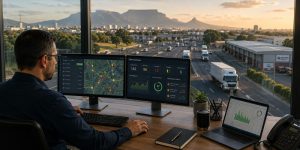
Artificial intelligence is rapidly changing the way businesses manage vehicles, drivers and day-to-day transport operations. Across South Africa, organisations are facing rising fuel costs, tighter compliance requirements, increasing customer expectations and growing pressure to improve operational efficiency. As a result, traditional fleet management methods that rely on manual reporting and reactive decision-making are being replaced by intelligent, data-driven technologies. CANCOM SA is helping organisations embrace this transformation by providing advanced fleet management solutions that combine telematics, predictive analytics, driver monitoring and automation to improve visibility, reduce costs and strengthen compliance across entire vehicle fleets.
Modern fleet management is no longer limited to knowing where a vehicle is located. Today’s intelligent platforms analyse thousands of data points every second to predict maintenance requirements, identify risky driver behaviour, optimise routes, reduce fuel consumption and improve overall business performance. Powered by artificial intelligence, machine learning and connected vehicle technology, businesses can now move from reactive fleet management to proactive decision-making that delivers measurable operational improvements.
Whether managing a fleet of delivery vehicles, heavy trucks, rental vehicles or municipal transport, organisations that invest in AI fleet management technology are positioning themselves for greater efficiency, improved safety and stronger competitiveness in an increasingly digital transport environment.
Why Fleet Management Is Changing
The South African transport and logistics industry has experienced significant change over the past few years. Fleet operators are expected to deliver faster services while controlling operational expenses and complying with increasingly complex legislation.
Several factors are driving the rapid adoption of intelligent fleet management technology.
Rising Operating Costs
Fuel remains one of the largest expenses for any fleet. Combined with increasing vehicle maintenance costs, insurance premiums and labour expenses, businesses are under constant pressure to improve efficiency without compromising service quality.
AI powered fleet management systems help identify unnecessary fuel consumption, excessive idling, inefficient routes and aggressive driving behaviours that increase operating costs.
Stricter Regulatory Compliance
South African fleet operators must comply with multiple regulatory requirements covering:
- AARTO legislation
- Vehicle licensing
- Roadworthy compliance
- Traffic fine management
- Driver verification
- Operator card management
- Vehicle documentation
Managing these requirements manually becomes increasingly difficult as fleet sizes grow. Digital compliance platforms automate many of these administrative tasks while reducing the risk of costly penalties.
Driver Shortages and Skills Management
Many industries continue to experience shortages of experienced commercial drivers. This places greater emphasis on retaining skilled employees while improving driver safety through coaching and performance monitoring.
Artificial intelligence allows fleet managers to monitor driving habits objectively and provide targeted coaching that improves safety without relying solely on manual supervision.
Increasing Customer Expectations
Customers increasingly expect accurate delivery updates, faster response times and complete visibility throughout the delivery process.
Real-time GPS tracking, predictive arrival times and automated notifications enable businesses to provide a significantly better customer experience while improving operational planning.
Greater Focus on Sustainability
Many organisations are introducing environmental targets that require lower fuel consumption and reduced vehicle emissions.
AI driven route optimisation, predictive maintenance and intelligent vehicle utilisation contribute directly to these sustainability objectives while reducing operating expenses.
What Is AI Powered Fleet Management?
AI fleet management refers to the use of artificial intelligence, predictive analytics and machine learning to automatically analyse fleet data and assist managers in making smarter operational decisions.
Instead of relying only on historical reports, AI continuously evaluates information collected from connected vehicles, onboard telematics devices, CAN bus systems, GPS tracking and driver monitoring technologies.
The system identifies patterns that humans would struggle to detect manually and recommends actions before problems occur.
This proactive approach enables businesses to reduce downtime, improve safety and optimise overall fleet performance.
How Artificial Intelligence Improves Fleet Operations
Machine Learning
Machine learning algorithms continually analyse operational data and improve their predictions over time. The more information collected, the more accurate future recommendations become.
For example, the system can learn:
- Normal fuel consumption patterns
- Typical maintenance intervals
- Driver behaviour trends
- Vehicle utilisation rates
- Seasonal operating changes
As additional data becomes available, predictions become increasingly accurate, allowing businesses to make better operational decisions.
Predictive Analytics
Predictive analytics transforms historical fleet data into future operational insights.
Rather than waiting for a mechanical failure, the system estimates when components are likely to require servicing based on vehicle usage, operating conditions and historical maintenance records.
This helps businesses schedule maintenance before costly breakdowns occur.
Connected Vehicles
Modern fleet vehicles generate enormous amounts of operational information every day.
Through connected telematics systems, organisations can monitor:
- Vehicle location
- Engine diagnostics
- Fuel consumption
- Engine temperature
- Battery condition
- Brake performance
- Tyre pressure
- Driver behaviour
- Idle time
- Vehicle utilisation
Artificial intelligence converts this data into practical recommendations that improve operational efficiency.
Real-Time Decision Making
Traditional reporting often tells managers what happened yesterday.
AI powered platforms provide real-time insights that allow businesses to respond immediately.
Examples include:
- Alerting managers when excessive speeding occurs
- Identifying dangerous driver fatigue
- Detecting sudden fuel loss
- Predicting mechanical failures
- Suggesting alternative delivery routes during traffic congestion
- Automatically generating compliance alerts
This immediate visibility enables faster decisions and significantly reduces operational risks.
The Role of Fleet Telematics in Artificial Intelligence
Fleet telematics serves as the foundation of intelligent fleet management.
Telematics combines GPS positioning, vehicle sensors, onboard diagnostics, mobile communications and cloud software into a single platform that continuously collects operational information.
Without accurate telematics data, artificial intelligence cannot deliver meaningful recommendations.
Modern platforms such as those implemented by CANCOM SA combine telematics with advanced analytics, enabling businesses to move beyond simple vehicle tracking towards complete operational intelligence.
Key Data Sources Used by AI Fleet Management Systems
| Technology | Data Collected | Business Value |
| GPS Tracking | Vehicle location and routes | Improved dispatch and route optimisation |
| CAN Bus Integration | Vehicle diagnostics and performance | Predictive maintenance and fault detection |
| Driver Monitoring Systems | Fatigue and distraction events | Improved driver safety |
| Fuel Monitoring | Consumption and fuel theft | Lower operating costs |
| AI Dash Cameras | Video evidence and behaviour analysis | Accident reduction and claims management |
| Mobile Fleet Applications | Driver communication and reporting | Greater operational efficiency |
These integrated technologies provide the foundation for predictive fleet maintenance, intelligent reporting and automated decision-making, allowing organisations to manage increasingly complex fleets with greater confidence and efficiency.
Key Fleet Technologies Transforming South African Fleets in 2026
Artificial intelligence is no longer a futuristic concept for fleet operators. It has become an essential business tool that helps organisations improve efficiency, reduce costs and strengthen compliance. As connected vehicles become more common, intelligent technologies are enabling fleet managers to make faster, more informed decisions based on live operational data rather than assumptions.
Businesses that embrace these technologies are not simply investing in new software—they are building smarter, safer and more profitable fleet operations.
1. Predictive Fleet Maintenance
Traditional maintenance schedules are based on mileage or fixed service intervals. While this approach reduces some risks, it often results in unnecessary servicing or unexpected breakdowns between scheduled inspections.
Predictive fleet maintenance uses artificial intelligence and vehicle diagnostics to monitor the actual condition of every vehicle component in real time. By analysing data collected from the CAN bus, engine control units and onboard sensors, the system predicts when maintenance will actually be required.
This allows maintenance teams to repair components before failures occur, reducing downtime and extending vehicle life.
Predictive maintenance can monitor:
- Engine performance
- Battery health
- Cooling systems
- Brake wear
- Oil quality
- Tyre condition
- Transmission performance
- Electrical systems
Rather than reacting after a breakdown, businesses can schedule repairs during planned maintenance windows, avoiding costly disruptions.
2. AI Driver Behaviour Monitoring
Driver behaviour has a direct impact on fuel consumption, accident rates, maintenance costs and insurance claims.
Modern Driver Monitoring Systems (DMS) use artificial intelligence together with inward-facing cameras to identify unsafe driving habits as they happen.
The system can detect:
- Driver fatigue
- Yawning
- Eye closure
- Mobile phone usage
- Smoking while driving
- Seatbelt violations
- Driver distraction
- Aggressive driving behaviour
When risky behaviour is detected, instant alerts notify both the driver and fleet management team, allowing immediate corrective action before an accident occurs.
Instead of relying solely on disciplinary action after incidents, AI enables proactive coaching that continuously improves driver performance.
3. Advanced Fleet Telematics
Fleet telematics has evolved well beyond basic GPS tracking.
Today’s intelligent telematics platforms combine live vehicle tracking with artificial intelligence, engine diagnostics, driver identification and operational analytics to create a complete fleet management ecosystem.
Modern fleet telematics platforms provide:
- Live GPS tracking
- Vehicle utilisation reports
- Trip history
- Engine health monitoring
- Driver identification
- Idle time reporting
- Harsh braking alerts
- Acceleration monitoring
- Geofencing
- Remote immobilisation
Solutions offered by CANCOM SA combine these technologies into a single dashboard, giving fleet managers complete operational visibility across all vehicles.
4. Intelligent Fuel Optimisation
Fuel remains one of the highest operational expenses for fleet businesses across South Africa.
Artificial intelligence helps reduce fuel costs by analysing driving behaviour, vehicle condition, engine performance and route efficiency simultaneously.
Instead of simply measuring litres consumed, AI identifies why excessive fuel usage occurs.
Examples include:
- Excessive idling
- Aggressive acceleration
- Poor route planning
- Vehicle overloading
- Engine faults
- Incorrect tyre pressure
- Fuel theft
By identifying the root causes of excessive consumption, businesses can significantly reduce operating costs while improving sustainability.
5. AI Route Optimisation
Choosing the shortest route is not always the most efficient option.
Artificial intelligence considers multiple factors simultaneously before recommending the most efficient route.
These include:
- Traffic congestion
- Road closures
- Weather conditions
- Delivery priorities
- Vehicle capacity
- Driver availability
- Customer delivery windows
Dynamic route optimisation enables dispatch teams to make continuous adjustments throughout the day, reducing delays and improving customer satisfaction.
6. Digital Compliance Management
Regulatory compliance continues to become more complex for South African fleet operators.
Businesses must manage:
- AARTO compliance
- Traffic fine management
- Driver licence monitoring
- Vehicle licensing
- Operator cards
- PDP renewals
- Roadworthy certificates
- Insurance documentation
Artificial intelligence automates these administrative processes by monitoring expiry dates, generating reminders, producing compliance reports and highlighting potential risks before they become legal issues.
This significantly reduces manual administration while improving overall fleet compliance.
7. Intelligent Vehicle Recovery
Vehicle theft continues to affect businesses throughout South Africa.
AI-powered fleet platforms enhance recovery capabilities by combining GPS tracking, geofencing, remote immobilisation and behavioural analytics.
The system can automatically detect unusual vehicle activity, including:
- Unauthorised movement
- After-hours vehicle use
- Unexpected route deviations
- Geofence breaches
- Driver authentication failures
Fleet managers receive immediate alerts, enabling rapid response and increasing recovery success rates.
8. Remote Fleet Monitoring
Cloud-based fleet management platforms enable businesses to monitor operations from virtually anywhere.
Fleet managers no longer need to be physically present to oversee vehicle movements or driver activities.
Through secure web portals and mobile applications, authorised users can:
- Track vehicles live
- View maintenance status
- Monitor driver behaviour
- Review compliance reports
- Access historical trip data
- Generate management reports
- Respond to alerts immediately
This level of visibility improves operational decision-making while supporting hybrid and decentralised management teams.
Comparison of Traditional and AI Powered Fleet Management
| Traditional Fleet Management | AI Powered Fleet Management |
| Reactive maintenance | Predictive maintenance scheduling |
| Manual reporting | Automated live dashboards |
| Basic GPS tracking | Intelligent telematics with analytics |
| Periodic inspections | Continuous vehicle diagnostics |
| Driver incidents reviewed afterwards | Real-time behaviour monitoring and alerts |
| Manual compliance administration | Automated compliance management |
| Fixed delivery routes | Dynamic AI route optimisation |
| Historical decision-making | Predictive operational intelligence |
How CANCOM SA Supports Intelligent Fleet Management
As fleet technology continues to evolve, businesses require more than vehicle tracking alone. They need an integrated platform that combines telematics, artificial intelligence, compliance management and operational reporting into a single solution.
CANCOM SA provides intelligent fleet management technologies designed specifically for South African operating conditions. Its solutions combine advanced fleet telematics, AI driver behaviour monitoring, predictive maintenance insights, fuel monitoring, digital compliance, vehicle recovery and real-time reporting to help organisations operate safer, smarter and more efficiently.
Whether managing a small corporate fleet or thousands of commercial vehicles nationwide, businesses can use these intelligent technologies to improve operational visibility, strengthen compliance and make faster data-driven decisions that support long-term growth.
Business Benefits of AI Powered Fleet Management
Artificial intelligence is no longer just an innovation reserved for large multinational transport companies. Today, businesses of every size can use AI powered fleet management to improve operational efficiency, strengthen compliance and make better business decisions.
Instead of spending valuable time manually collecting reports, investigating incidents or reacting to vehicle breakdowns, fleet managers can use intelligent analytics to predict problems, automate routine tasks and optimise fleet performance in real time.
The result is a safer, more productive and more profitable fleet operation.
Reduced Operating Costs
AI continuously analyses fuel consumption, idle time, maintenance history, route efficiency and driver behaviour to identify unnecessary expenses.
By correcting these inefficiencies, businesses can significantly lower operating costs without reducing productivity.
Cost savings are commonly achieved through:
- Lower fuel consumption
- Reduced vehicle wear
- Fewer emergency repairs
- Lower overtime costs
- Improved asset utilisation
- Reduced insurance claims
Improved Fleet Safety
Driver safety remains one of the highest priorities for every fleet operator.
AI powered Driver Monitoring Systems (DMS), Advanced Driver Assistance Systems (ADAS) and intelligent telematics work together to reduce accidents before they happen.
Real-time alerts allow unsafe driving behaviour to be corrected immediately instead of after an incident occurs.
Safer drivers also contribute to improved company reputation and reduced insurance premiums.
Reduced Vehicle Downtime
Unexpected vehicle failures disrupt deliveries, reduce productivity and increase repair costs.
Predictive fleet maintenance identifies developing mechanical problems before they result in roadside breakdowns.
Fleet managers can schedule maintenance during planned service windows instead of reacting to emergencies.
This improves vehicle availability while extending the operational life of fleet assets.
Better Compliance Management
Managing regulatory compliance manually becomes increasingly difficult as fleets expand.
Artificial intelligence automates monitoring for:
- Vehicle licence renewals
- Driver licence expiry
- PDP validity
- AARTO compliance
- Traffic fine management
- Operator card administration
- Vehicle inspections
Automated alerts reduce the likelihood of missed deadlines while improving overall fleet governance.
Improved Productivity
Fleet managers gain immediate visibility into every aspect of operations through real-time dashboards.
Instead of spending hours preparing reports, management teams can focus on strategic decision-making.
Automated reporting also enables:
- Faster dispatch decisions
- Improved route planning
- More efficient scheduling
- Better utilisation of vehicles
- Improved workforce coordination
Enhanced Customer Service
Customers increasingly expect accurate delivery information and reliable service.
AI powered fleet management provides:
- Live vehicle tracking
- Estimated arrival times
- Real-time delivery updates
- Faster incident response
- Improved delivery accuracy
Better visibility creates greater customer confidence while strengthening long-term business relationships.
Increased Profitability
Every operational improvement ultimately contributes to stronger profitability.
Lower operating costs, improved vehicle availability, fewer accidents and greater productivity allow businesses to maximise return on fleet investment while remaining competitive in a rapidly changing market.
Challenges Businesses Should Prepare For
Although AI powered fleet management delivers significant benefits, successful implementation requires careful planning and organisational commitment.
Data Security
Modern fleet platforms process large volumes of operational and driver information.
Businesses should ensure that their chosen technology provider follows robust cybersecurity standards and protects sensitive operational data.
Staff Training
Technology is only effective when employees understand how to use it.
Fleet managers, drivers and administrators should receive appropriate training to maximise the value of AI powered systems.
Integration with Existing Systems
Many organisations already use accounting, ERP, HR or maintenance software.
Fleet technology should integrate seamlessly with existing business systems to avoid duplicate administration and improve operational efficiency.
Change Management
Introducing new technology often changes established workflows.
Clear communication, staff engagement and management support are essential to encourage adoption throughout the organisation.
Data Quality
Artificial intelligence depends on accurate information.
Reliable GPS tracking, CAN bus integration, driver identification and regular system maintenance ensure AI recommendations remain accurate and valuable.
Future Trends Beyond 2026
Artificial intelligence will continue reshaping fleet management over the coming decade. Businesses adopting intelligent fleet technologies today will be well positioned to benefit from future innovations.
Connected Fleets
Vehicles, drivers, depots and customers will become increasingly interconnected through cloud-based platforms that share information instantly.
Autonomous Driver Assistance
While fully autonomous vehicles remain some years away for most commercial operations, advanced driver assistance technologies will continue reducing accidents and improving road safety.
AI Decision Support
Artificial intelligence will increasingly recommend operational decisions rather than simply reporting historical information.
Fleet managers will receive intelligent suggestions for:
- Vehicle replacement planning
- Driver scheduling
- Maintenance forecasting
- Fuel purchasing
- Fleet expansion
Smart Cities Integration
As South African cities continue investing in digital infrastructure, connected fleets will increasingly interact with intelligent traffic systems, improving congestion management and route efficiency.
Predictive Risk Management
Future fleet platforms will combine telematics, weather information, traffic conditions, maintenance history and driver behaviour to predict operational risks before they occur.
This proactive approach will significantly improve safety while reducing operational disruptions.
Conclusion
Artificial intelligence is transforming fleet management from a reactive administrative function into a proactive business intelligence platform. By combining predictive analytics, fleet telematics, machine learning and connected vehicle technologies, organisations gain deeper operational visibility, stronger compliance and greater control over every aspect of their fleet.
For South African businesses, adopting AI powered fleet management is no longer simply about embracing new technology, it is about improving profitability, strengthening safety, reducing operational risks and preparing for an increasingly digital transport environment.
Businesses that invest in intelligent fleet technologies today will be far better positioned to adapt to future regulatory changes, rising operational costs and evolving customer expectations.
Ready to Modernise Your Fleet?
Whether you’re managing a corporate fleet, logistics operation, rental vehicles or municipal transport, CANCOM SA provides intelligent fleet management solutions designed specifically for South African businesses.
From advanced fleet telematics and AI driver monitoring to predictive maintenance, vehicle tracking, compliance management and fleet optimisation, our experienced team can help you build a smarter, safer and more efficient fleet operation.
Contact CANCOM SA today to discover how intelligent fleet technology can improve operational efficiency, reduce costs and prepare your business for the future of fleet management.
Frequently Asked Questions
1. What is AI fleet management?
AI fleet management uses artificial intelligence, machine learning and predictive analytics to monitor vehicles, drivers and fleet operations in real time, helping businesses improve efficiency, safety and decision-making.
2. How does predictive fleet maintenance work?
Predictive maintenance analyses vehicle diagnostics, CAN bus data and historical performance to identify potential mechanical issues before failures occur, reducing downtime and repair costs.
3. What is fleet telematics?
Fleet telematics combines GPS tracking, vehicle diagnostics, driver behaviour monitoring and cloud software to provide complete visibility over fleet operations.
4. Can AI reduce fuel costs?
Yes. AI identifies inefficient driving, excessive idling, poor route planning and unnecessary fuel consumption, helping businesses lower operating expenses.
5. How does AI improve fleet safety?
AI powered driver monitoring systems detect fatigue, distraction, speeding and unsafe driving behaviours, allowing fleet managers to intervene before accidents occur.
6. Which industries benefit from AI powered fleet management?
Logistics companies, transport operators, vehicle rental businesses, municipalities, construction companies, utilities, mining organisations and corporate fleets all benefit from intelligent fleet technology.
7. Is AI fleet management suitable for small fleets?
Yes. Modern fleet management platforms are scalable and provide valuable operational insights for businesses managing anything from a few vehicles to thousands.
8. Why should South African businesses invest in AI fleet management now?
AI helps organisations reduce costs, improve compliance, increase safety, optimise productivity and prepare for future regulatory and technological developments in the South African transport industry.